Serbian Companies Present Circular Economy Solutions during EU Green Week
BELGRADE, 11 June 2026 – Representatives of Serbian companies, public institutions, and development partners gathered at Europe House in Belgrade for two sectoral seminars dedicated to the practical application of circular economy principles in the textile and food industries.
Organised within the framework of the EU for Circular Economy in Serbia project and held as part of this year’s European Green Week activities in Serbia, the events showcased results achieved through direct cooperation with Serbian companies and explored opportunities for further advancing circular economy practices in business operations.
The seminars brought together representatives of the project’s five partner companies – Jasmil, PS Fashion, Dax Intimo, Global Sistem Kooperativa and Ribella Foods – as well as representatives of the Ministry of Environmental Protection, the Delegation of the European Union to Serbia, business associations, and other relevant stakeholders.
Over the past year, the companies worked closely with circular economy experts to identify opportunities for improving resource efficiency, reducing waste, and strengthening competitiveness through tailored Circular Economy Action Plans. As part of the project, they also participated in study visits to leading European innovation hubs in the textile and food sectors, where they gained insight into best European practices in circular innovation and sustainable production.
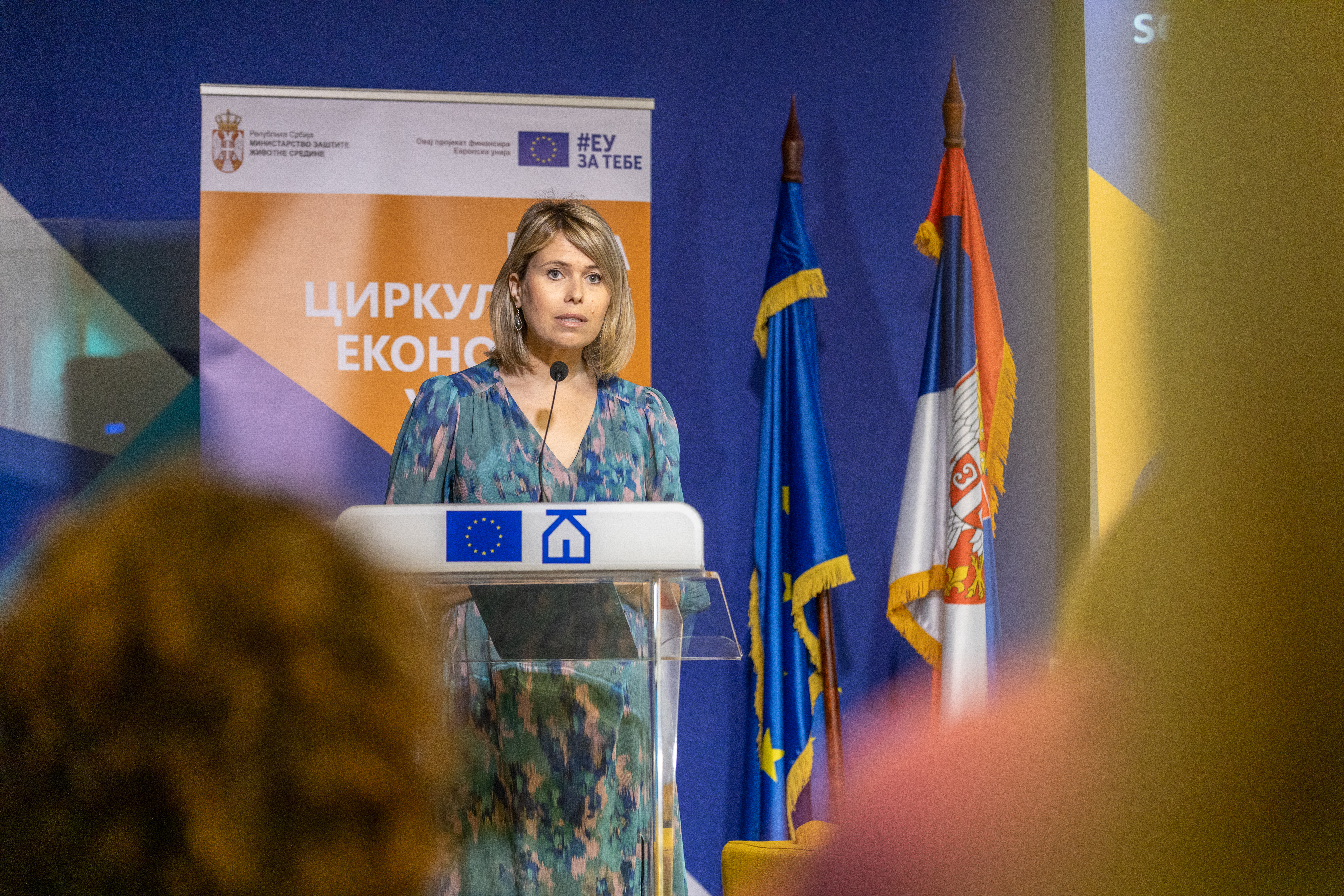
Opening the seminars, Andreja Vidal, Programme Manager at the Delegation of the European Union to Serbia, highlighted the importance of supporting businesses in the transition towards a circular economy.
“The commitments of the companies to adopt green and circular practices clearly recognise the economic, environmental, and social value of doing so. The European Union is supporting such efforts and remains a strong partner in Serbia’s green transition, fully aligned with the Green Agenda for the Western Balkans. This shift requires collaborative action, bringing together government, businesses, academia, civil society, and international partners, to build a sustainable and resilient future.”
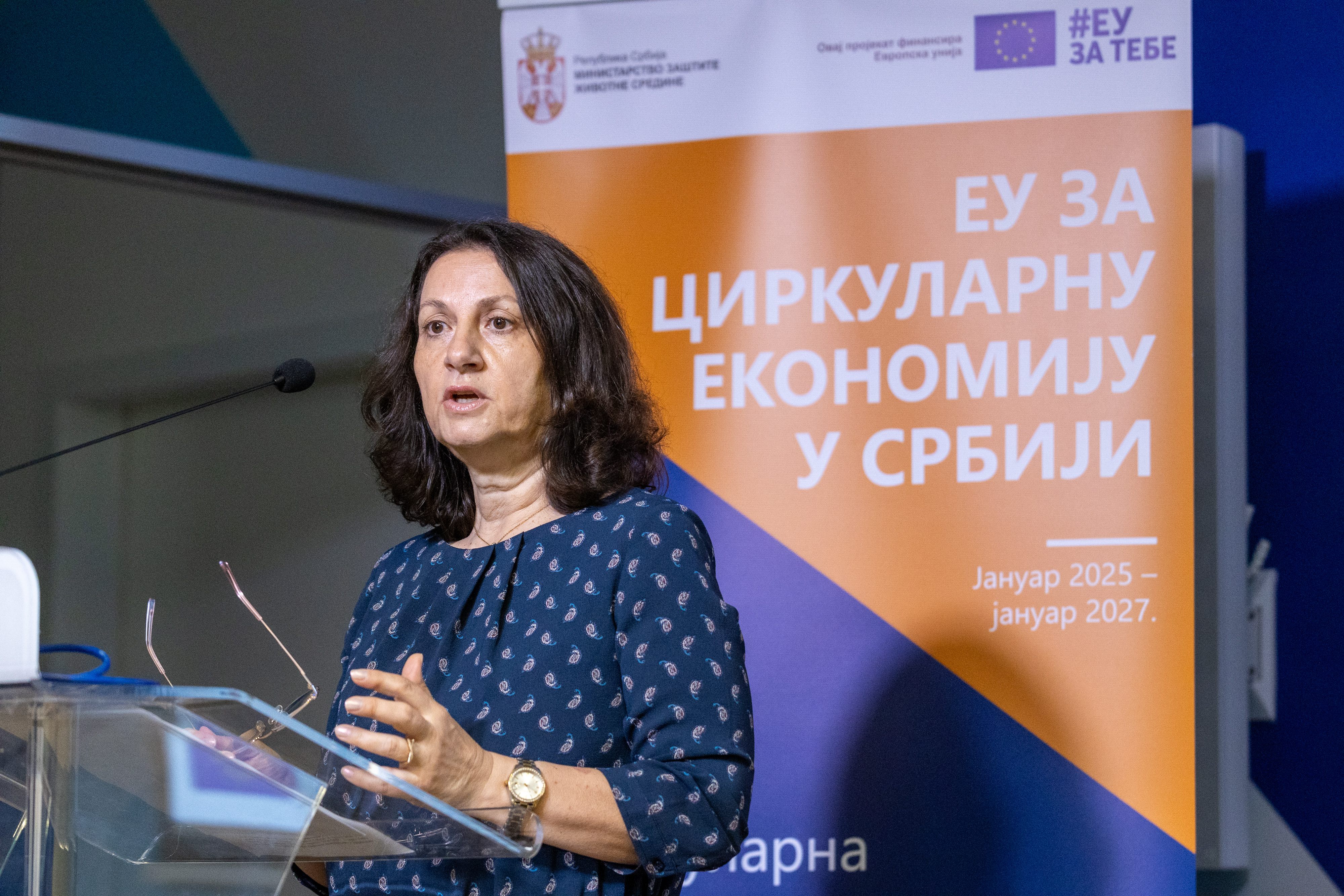
On behalf of the Ministry of Environmental Protection, Assistant Minister Teodora Spasojević emphasised the importance of cooperation between institutions and the private sector.
“The transition towards a circular economy cannot be achieved by public institutions alone. It requires active cooperation with businesses that are willing to innovate, invest and lead by example. The experiences presented today show that Serbian companies are ready to embrace this transition and that circular economy principles can bring tangible benefits both for the economy and for the environment.”
During the seminars, participating companies presented key initiatives from their Circular Economy Action Plans and discussed financing opportunities for future investments in this field.
Speaking about the project’s results, Bojana Perović of Jasmil highlighted that, during the development of the company’s Circular Economy Action Plan, particular attention was given to reducing textile waste in the earliest stages of production.
“The analysis showed that improvements in cutting processes and production planning can deliver significant results. The measures we developed are expected to reduce the share of textile waste in input materials by around 5%, representing an important step towards more efficient resource use and more sustainable business operations.”
Romana Hrnjez of Ribella Foods noted that the project helped the company gain a more detailed understanding of its resource consumption and identify concrete opportunities for improving efficiency.
“We identified the optimisation of our cooling system as a priority measure, which is expected to reduce water consumption and enable better utilisation of waste heat. We believe these improvements will benefit both the environment and the efficiency of our operations.”
The events also highlighted the importance of cooperation among public institutions, businesses, and development partners in supporting investments and innovation in the field of circular economy. With the participation of organisations such as the Serbian Chamber of Commerce, the FACTS Textile Cluster, NALED, and the Innovation Fund, the project contributes to expanding knowledge and practical solutions across the wider Serbian business community.
The seminars mark an important milestone within the EU for Circular Economy in Serbia project, which continues to support municipalities, companies, and citizens across Serbia in the transition towards a more sustainable and resource-efficient economy.
The EU for Circular Economy in Serbia project is implemented by the Ministry of Environmental Protection with financial support from the European Union and technical assistance provided by NTU International and Global Factor.