A delegation from Serbia visited the city of Barcelona and the province of Catalonia during an international study visit in November 2025, giving participants the opportunity to learn first-hand about practical solutions for the transition to a circular economy at the level of local communities and businesses. The programme was designed as an intensive exchange of experience and models that could be relevant and applicable in Serbia, particularly in the areas of resource management, municipal services, and the development of circular business approaches.
During the visit, the delegation toured several cities and met with relevant stakeholders across Catalonia, including Sant Boi de Llobregat, Granollers (with visits to the Can Muntanyola centre and the EDAR wastewater treatment plant), Argentona, Manresa, and Mataró. A special focus was placed on how local governments, public services, and regional structures plan, organise, and continuously improve systems that enable waste reduction, more efficient resource use, and stronger public–private cooperation around shared goals.
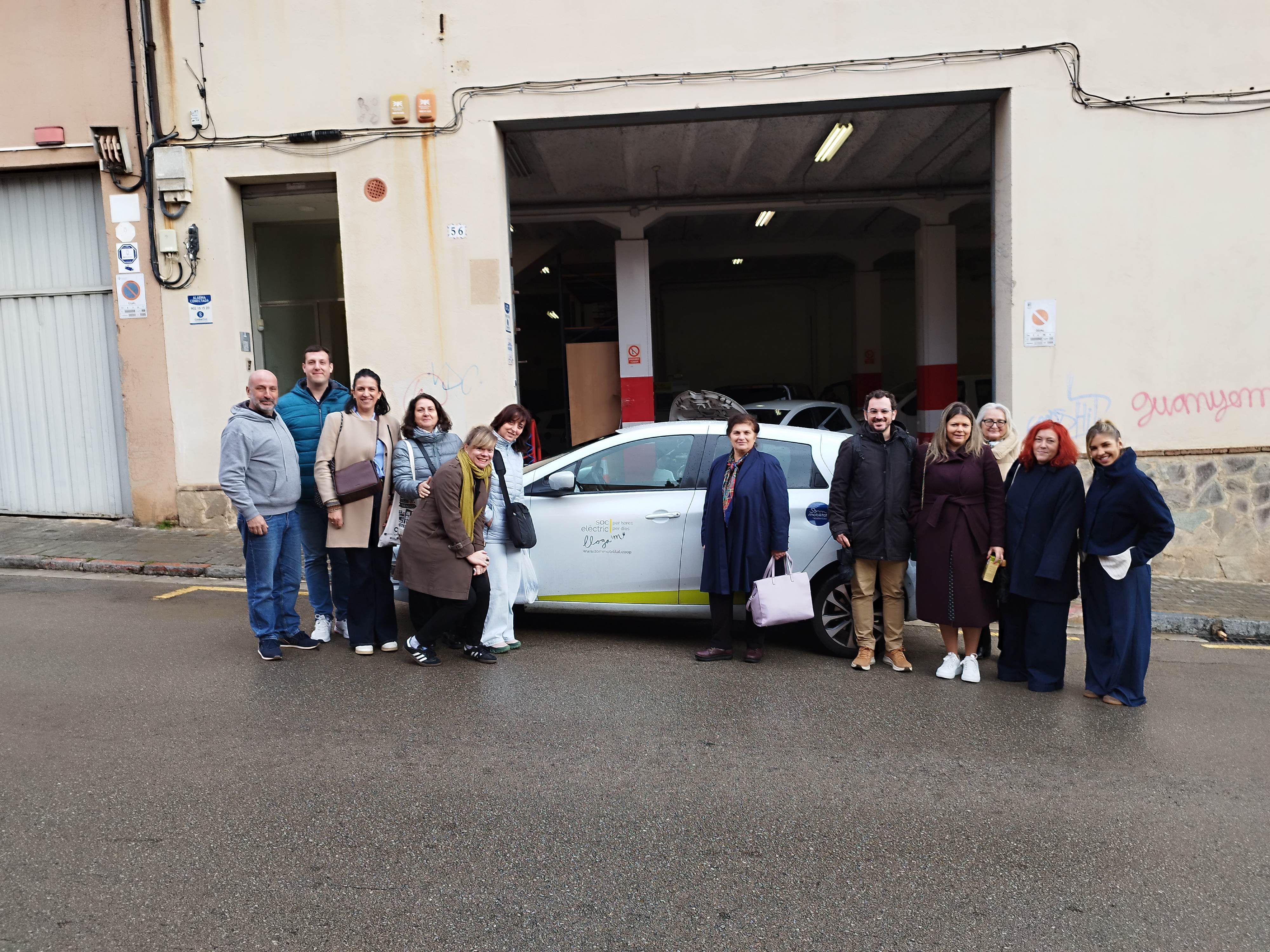
“Considering that we visited quite a lot of places, I can say that the strongest impression for me was the population’s ability to adapt to change—that change is possible when there is good organisation and consistency. The option to dispose of waste right in front of your door has truly become a reality, and people easily get used to separation and to the possibility of being socially responsible,” said Ivana Marjanović, a representative of the Municipality of Aranđelovac.
Participants also explored key infrastructure and operational capacities in the region through visits to facilities and organisations such as FCC, Parc Ambiental del Bages and the Regional Waste Agency, as well as examples of cross-sector cooperation and innovative initiatives, including Som Mobilitat, Maresme Circular and Tub Verd. The programme also included meetings with business actors in the Bufalvent area, including Miwon Spain.
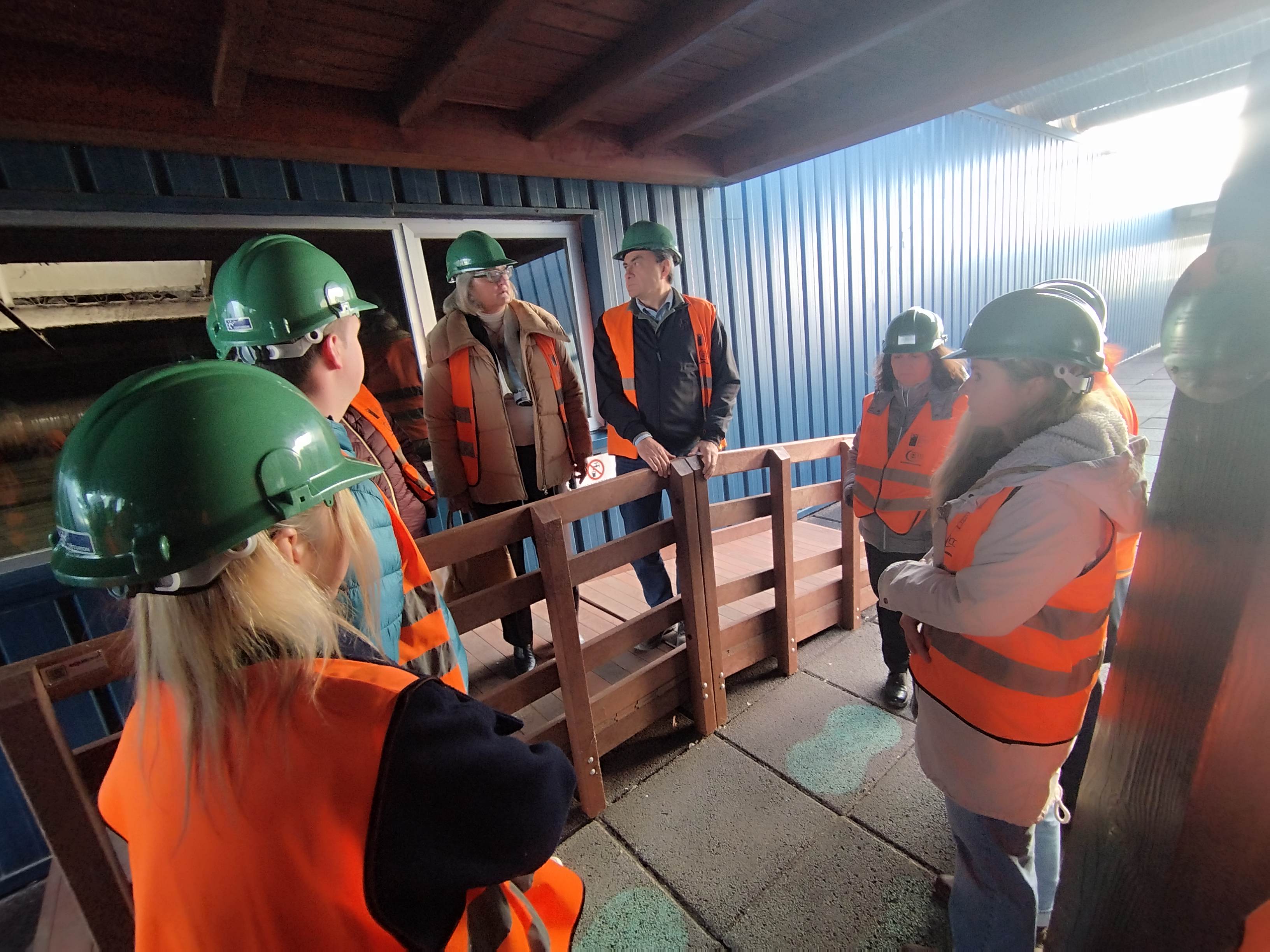
“As a next step, I would like us to further improve the existing system, because the experiences from Spain confirmed that we have started a good process through primary waste separation and the construction of a recycling centre. I see a particular focus on strengthening the re-use of furniture and textiles, as well as improving the treatment and further use of construction and bulky waste,” said Vera Blagojević, a representative of the Municipality of Ivanjica.
In addition to representatives of the Ministry of Environmental Protection and the Standing Conference of Towns and Municipalities, the delegation also included representatives of the local self-government units involved in the project—Aranđelovac, Čajetina, Ivanjica, Novi Pazar and Osečina.
The study visit was organised within the framework of the “EU for Circular Economy in Serbia” project, implemented by the Ministry of Environmental Protection, with financial support from the Delegation of the European Union to Serbia and technical assistance provided by the “EU for Circular Economy in Serbia” project, implemented by NTU International and Global Factor.