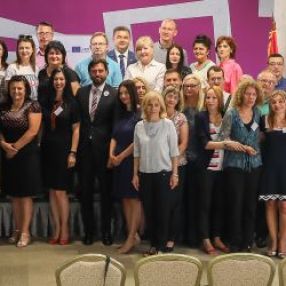
Estonia is one of the most successful countries in the world in terms of digital governance, and digitalization has enabled it to achieve good results in the fight against corruption, as well as better security, journalists from Serbia concluded after they had the opportunity to visit to that Baltic country.
Eleven journalists from eight domestic media outlets were on a study visit to Estonia from March 15 to 20, organised by the "Pulse of Europe" project. The programme ahd an ambitious title "Estonia today - success and resilience on the eastern border of the EU". It included meetings in the capital Tallinn, but also a trip to the easternmost point of the EU, the city of Narva. Journalists were enabled to investigate the key areas for the success of Estonia, a member of the EU since 2004: digitalization, cyber security, the fight against disinformation.
According to the Representation of the European Commission in Estonia, the EU funds were considerable: for 22 years of membership, Estonia received 20 billion from the EU budget; exports to the EU single market increased fourfold from 2003 to today, to 13.4 billion, and the average salary increased from 455 to The e-Governance Academy in Tallinn is one of the institutions that is mostly financed by EU funds. According to Hannes Astok, creative director, the Academy provides expertise on digital government for clients in 140 countries around the world. They promote the progress and openness of societies through digital transformation, following the example of their own country.
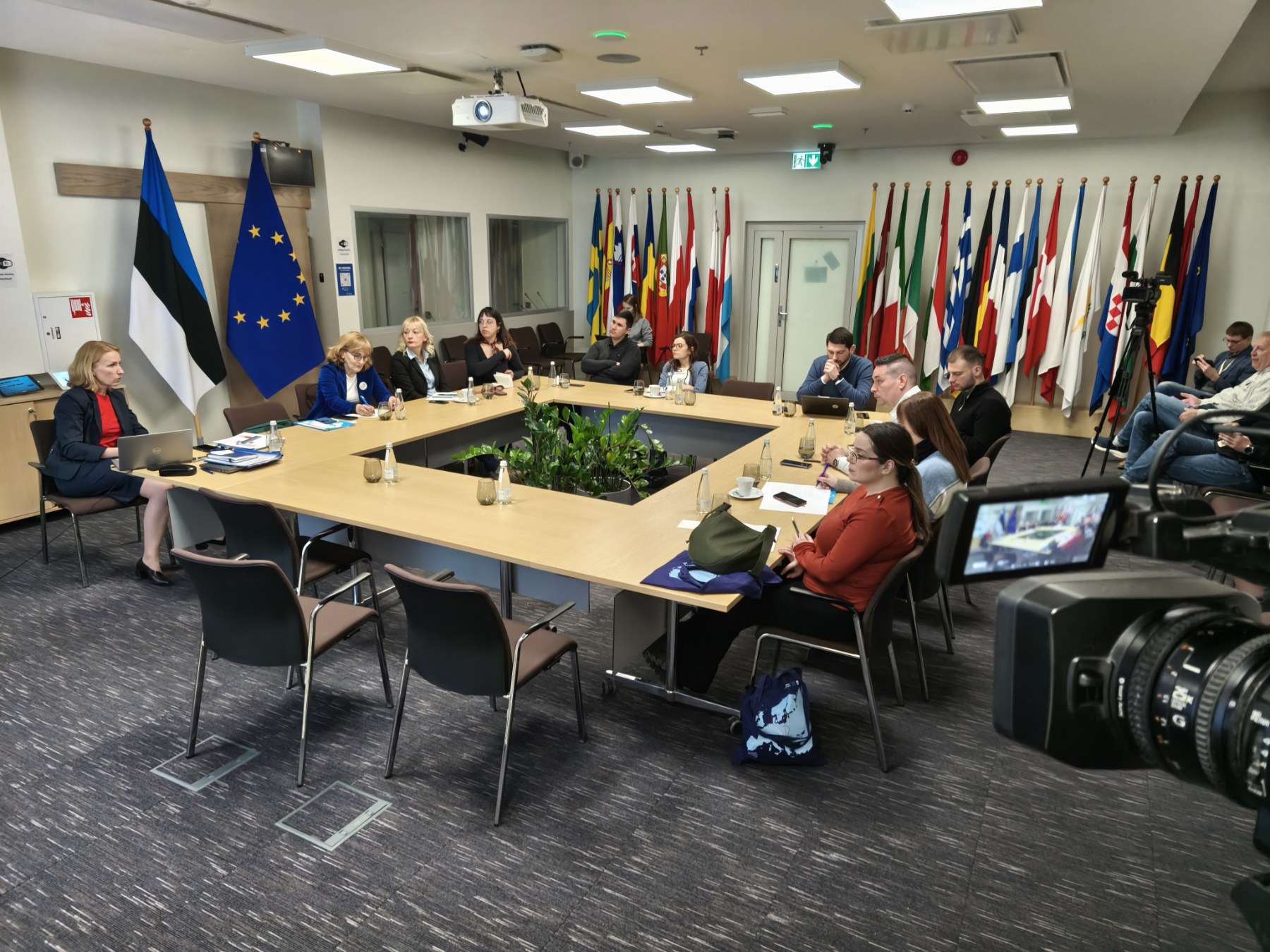
In Estonia, all public services are digital: from the electronic identity card introduced in 2002 and visits to the doctor, to weddings. In the e-Briefing Center, a digital "hub", they say that personal presence is necessary only for weddings, divorces and real estate purchases, in order to express the intention. All other services are digital; 94% of the country is covered by a 4G network, and 95% of households have cable internet. Voting in the elections is electronic and about 60% of citizens e-voted in the last elections. Daily newspaper Danas writes more about it.
According to Johanna Kadri Kusk, digital transformation consultant, e-voting is three times cheaper than traditional one and prevents corruption. It is extremely well secured, so it is necessary to spend even a million euros to "hack" one vote, she added. In order to know how their personal information is being used, citizens can use the Datatracker application at any time.
The representatives of the Ministry of Justice also said that digitalization contributed to the prevention of corruption: at the local level, in police work and health care, it is almost eradicated because only a few cases are recorded annually. Twelfth on the world list of the perception index of the fight against corruption, the country has affairs at a higher political level. Estonia is successful also in countering disinformation. Read about how the country successfully fights against Russian disinformation on the mediareform.rs portal.
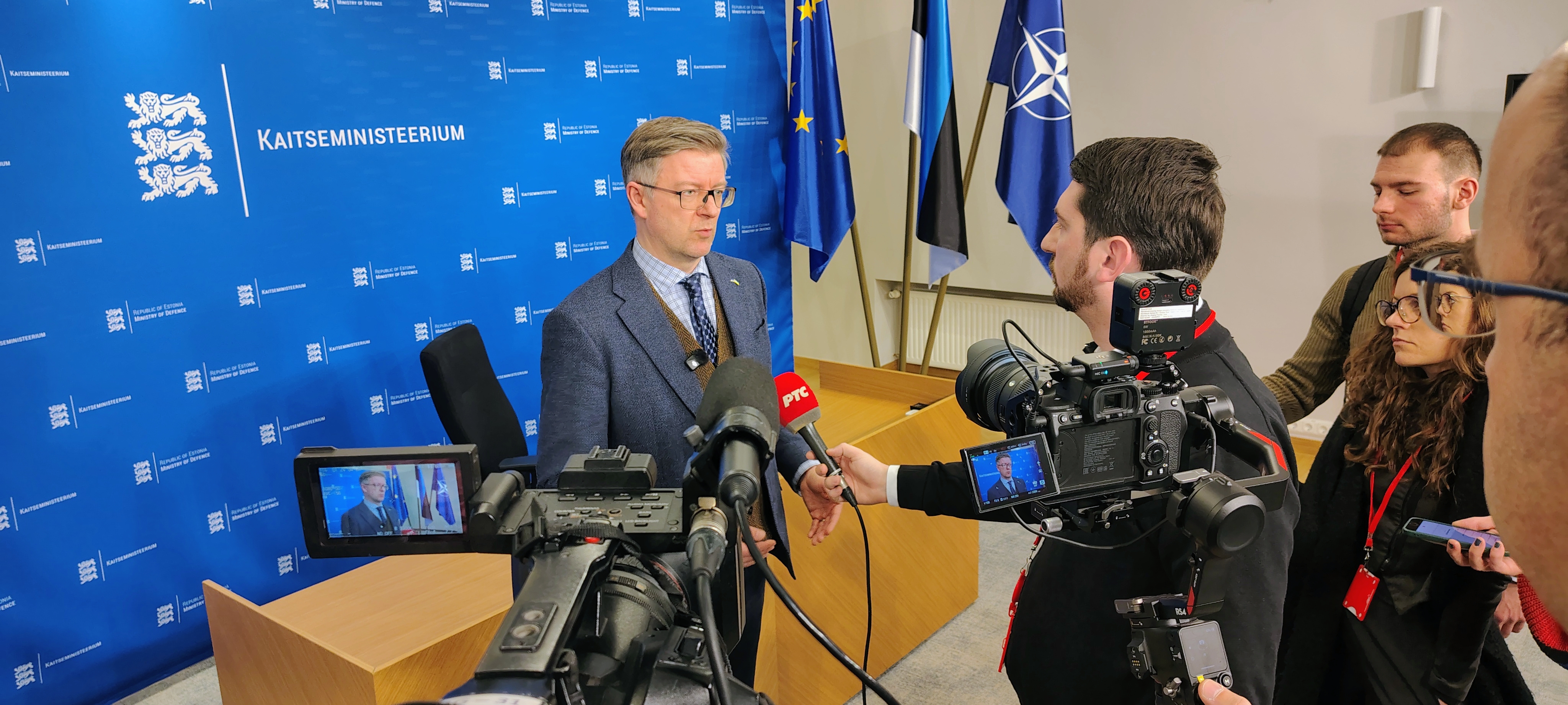
In Tallinn, journalists also spoke with Estonian Foreign Minister Magnus Tsakna and Permanent Secretary in the Ministry of Defense, Kalm Kusko, about the security challenges that caused the military budget to increase from 3.9% of the gross domestic product last year to 5.5% this year. Read more in Beta news agency reports.
How it looks like to be at the easternmost point of the EU and NATO, it would be the most accurate description of staying in Narva. The city, which overlooks Russia across a river and a bridge of only 150 meters, has 52,000 inhabitants and is mostly Russian, but, as the border police say, there is no tension. Some 1,500 people cross the border both ways every day, and road traffic has been closed for two years by the decision of the Russian side. Local assembly member Denis Larchenko says that "Narva will not be the next (point of conflict with Russia)" and states that the younger population is well accepting the current transition in educational institutions from Russian to Estonian language. Journalists thus had a unique opportunity to visit part of the NATO-EU border on the spot. Read more in the reportage of the Vreme weekly and a feature published in Blic daily.
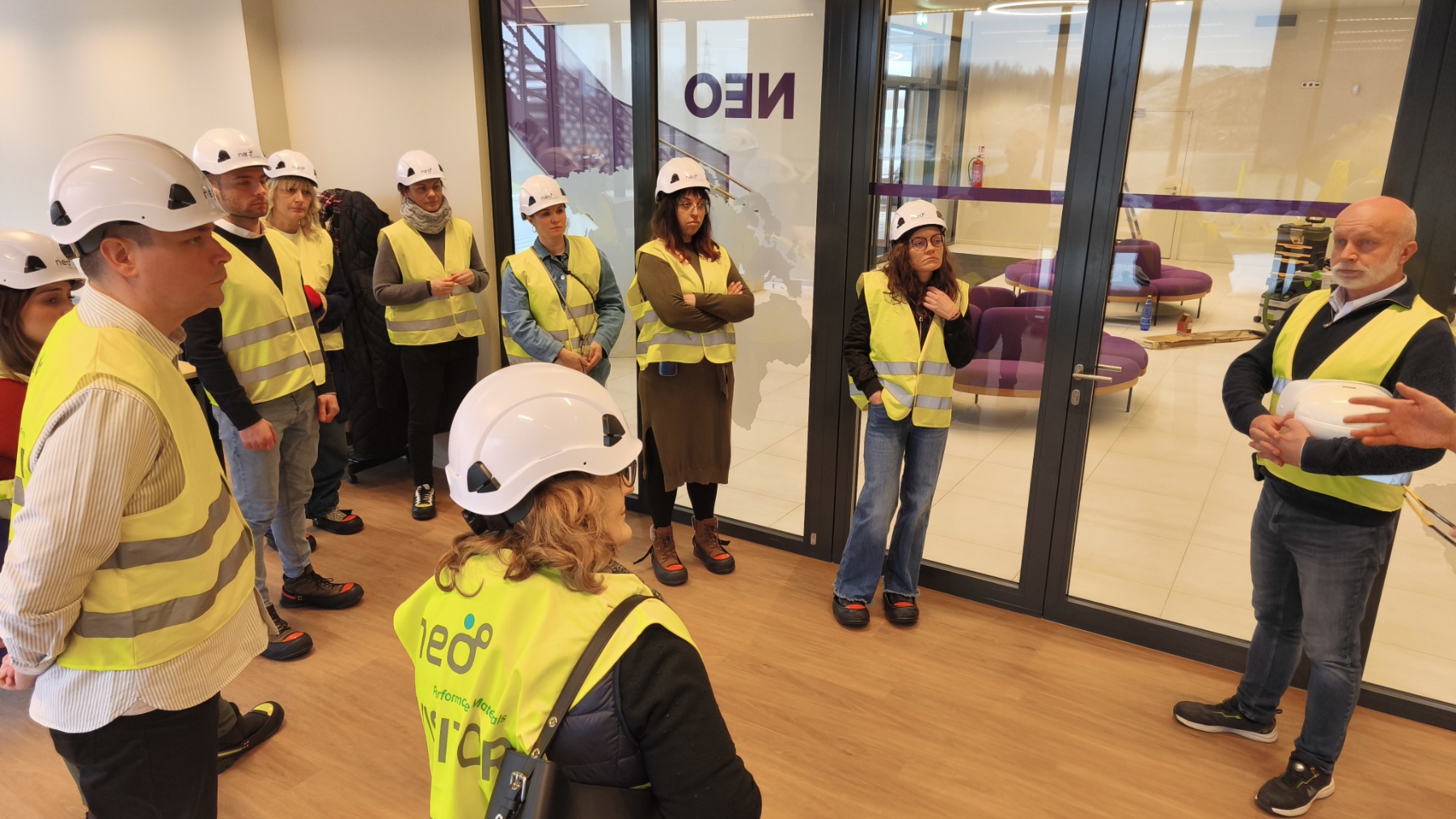
Narva is also the center of the eastern district of Ida-Viru, and the place where, by decision of the European Commission, the most modern Neo Magna plant factory was built, where magnets are made from rare earth metals. An investment worth 14.5 million from EU funds will enable the production necessary for electric vehicles, and one of the customers is BMW. Reports from TV Nova S, Radio-Television of Vojvodina and RTS will bring you closer to the atmosphere in Narva.