The new legislative framework governing drinking water should contribute to better public health protection by placing greater emphasis on prevention, earlier identification of risks and more effective water quality control. At the same time, the public should have better access to clear and up-to-date information on the quality of the water they use, as the new EU rules attach particular importance to transparency and public information.
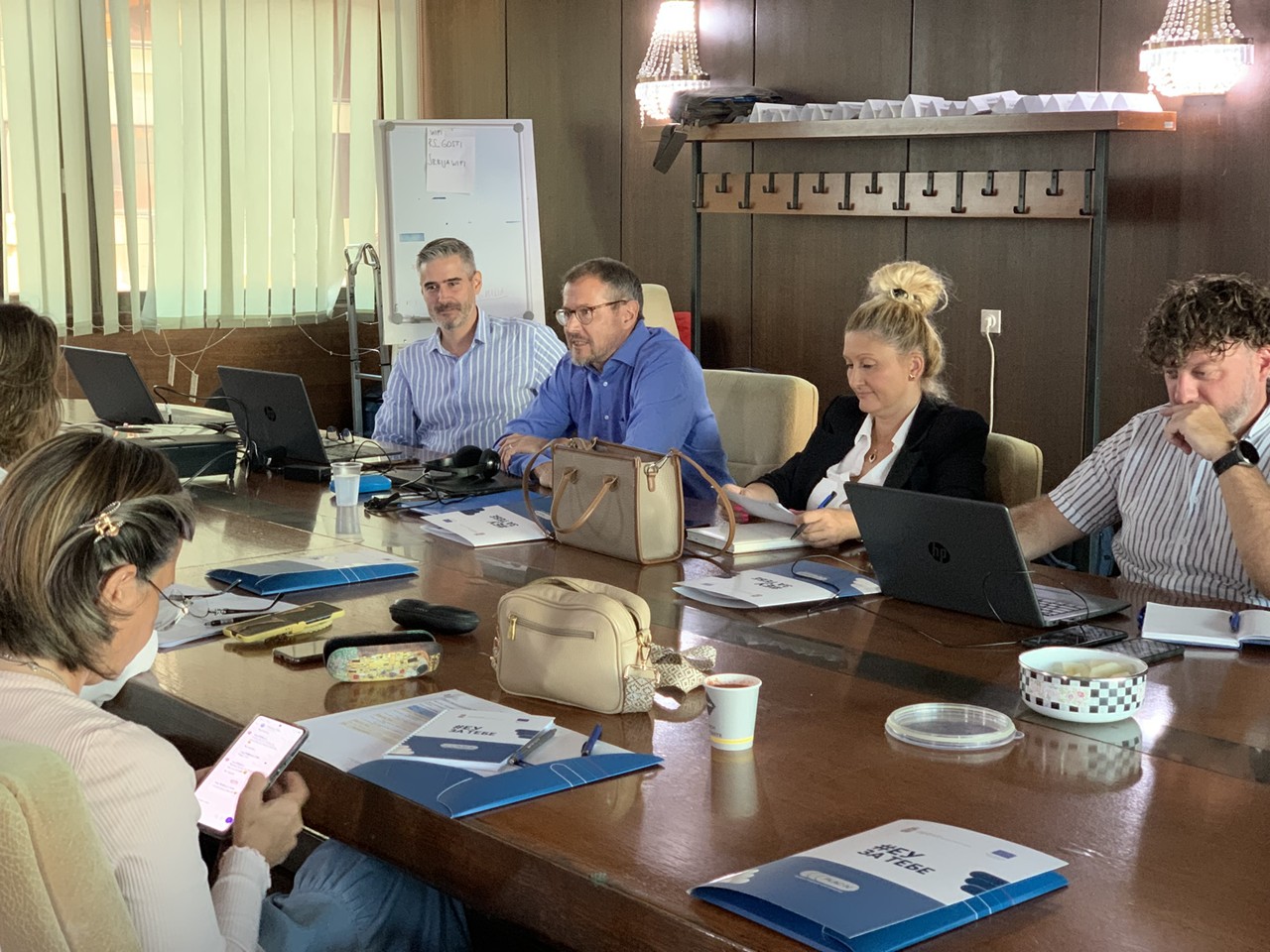
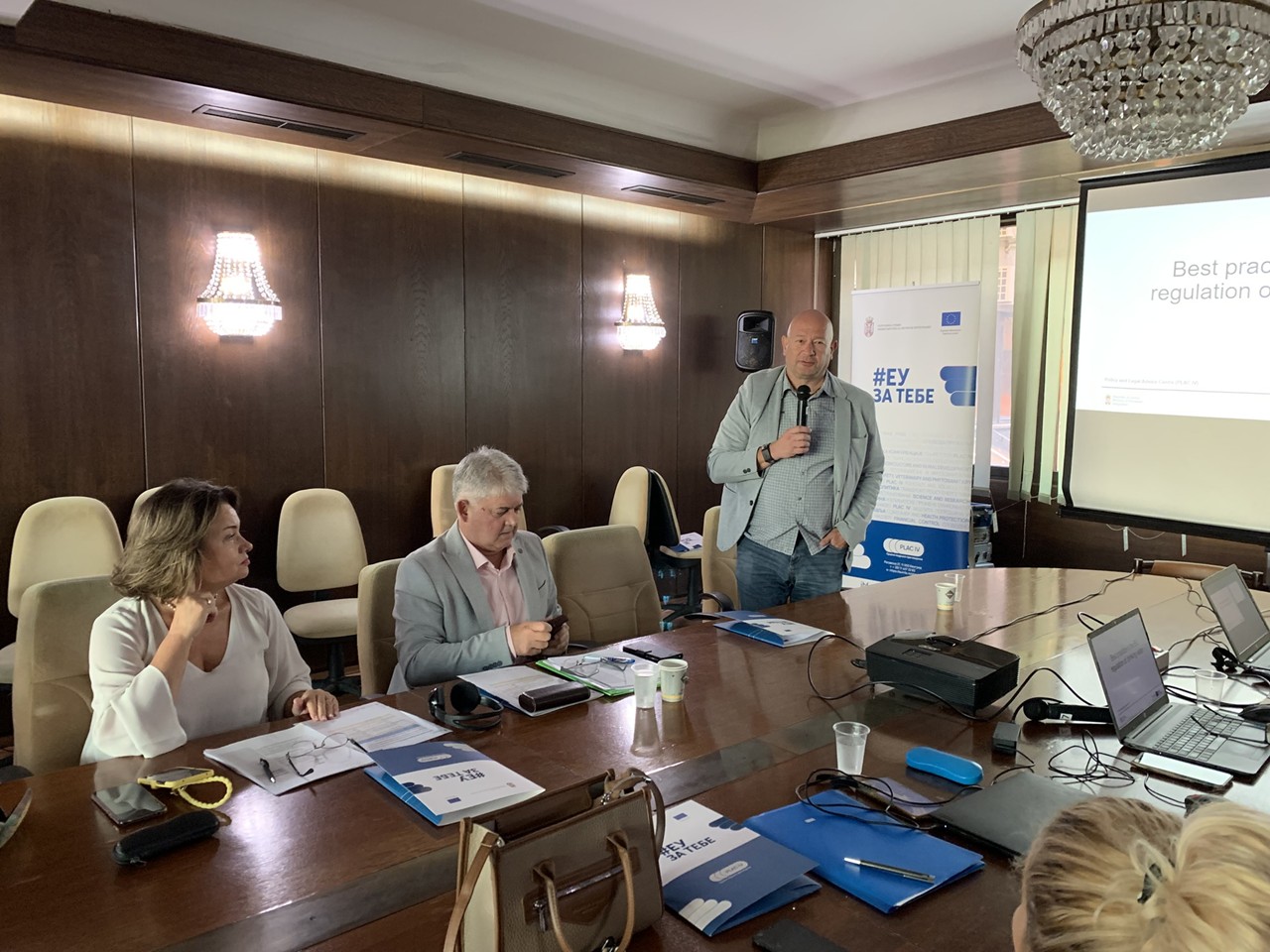
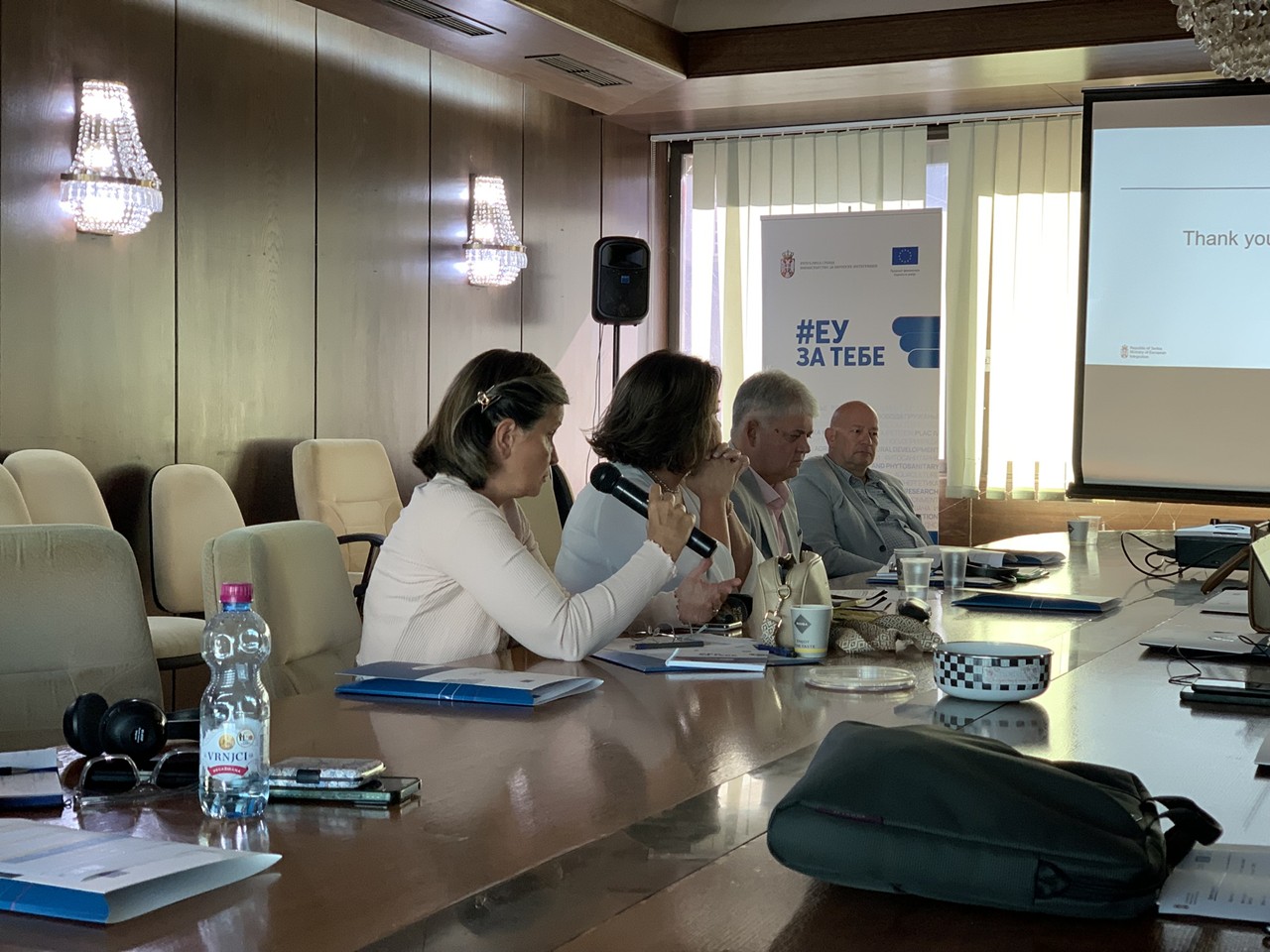
Proposed legislative solutions were discussed at a workshop organized by the PLAC IV project in cooperation with the Ministry of Health of the Republic of Serbia in Belgrade on 16 September 2026. The Draft Law and Draft Rulebook on Drinking Water, prepared as part of the harmonization of national legislation with Directive (EU) 2020/2184 on the quality of water intended for human consumption, were presented at the workshop.
The workshop was opened by Matjaž Logar, PLAC IV Team Leader, and Goran Stamenković, representative of the Ministry of Health and Coordinator of the Working Group on Water Intended for Human Consumption. Logar welcomed the participants and highlighted the importance of cooperation between the project and the Ministry, while the Ministry representative noted that work on regulating this area had been under way for almost ten years and thanked the PLAC IV project for its support in further aligning national legislation with EU rules. The new Draft Law has already been submitted to the European Commission for its opinion.
A PREVENTIVE APPROACH INSTEAD OF REACTING ONLY AFTER A PROBLEM ARISES
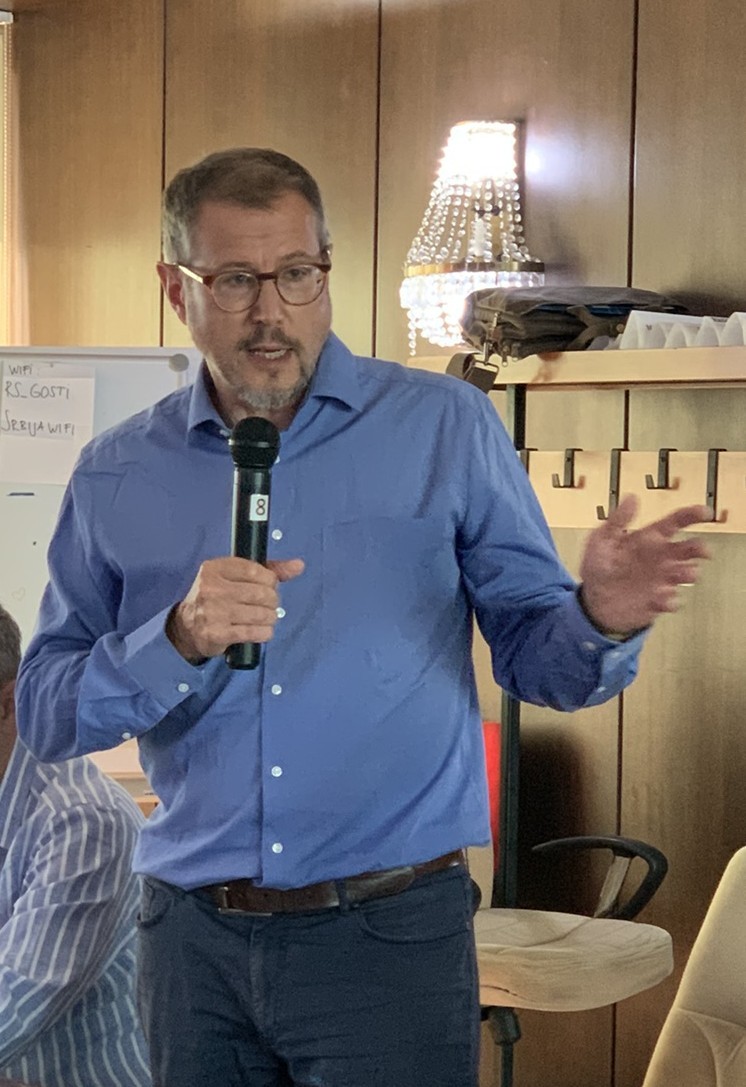 Robert Seelig, LL.M., international expert of the PLAC IV project, presented the Draft Law and Draft Rulebook on Drinking Water and explained the key changes resulting from alignment with the EU Directive. Particular emphasis is placed on a risk assessment-based approach, aimed at identifying and preventing potential problems in the water supply system before they pose a threat to human health.
“From a citizen’s perspective, the main benefit of the new Law and Rulebook on drinking water is a more preventive and risk-based approach to drinking water safety, reflecting the preventive and precautionary principles – in simple terms, this means identifying possible problems early and acting before they can become a threat to public health. Instead of relying mainly on testing the water at the end of the supply chain, the new system aims to identify and manage risks from the water source through treatment and distribution up to the consumer’s tap,” Seelig highlighted.
Such an approach should enable earlier detection of problems, more effective prevention of contamination and greater public confidence in the safety of drinking water. Robert Seelig also emphasised that the new framework represents another important step towards aligning national legislation with the EU acquis and moving closer to the standards applied in the Member States.
The new system should also enable laboratory capacities and available resources to be directed towards areas where the risks are greatest. Water Safety Plans have an important role in this process, serving as the basis for planning monitoring and controls. During the discussion, particular attention was paid to the role of laboratories, their capacities and their responsibility for drinking water quality control.
The proposed framework also introduces new public information obligations, enabling the public to gain better access to data on water quality and monitoring results.
PLAC IV expert Marko Jauković presented examples of good practice and the experiences of EU Member States in implementing European rules on the control of water intended for human consumption. He recalled that the EU has regulated this area since 1975, when the first directive was adopted, with particular emphasis on water quality monitoring, sampling and the organisation of laboratory controls.
EU STANDARDS AS CONCRETE HEALTH PROTECTION
Aligning Serbian legislation with Directive (EU) 2020/2184 means moving closer to the health protection standards applied in EU Member States. The support provided by the PLAC IV project to the Ministry of Health is aimed at ensuring that national legislation and the system for its implementation are ready to meet these standards. For the public, the ultimate objective is very concrete: a more reliable control system and greater assurance that the water they drink and use every day is safe and fit for human consumption.
PHOTO GALLERY